Concept, UX exploration, research synthesis
ROLE
2025-
TIMELINE
Maru – Menstrual health as knowledge and nature
Self-initiated exploration
CONTEXT
Periods are treated as a footnote in health and society: something inconvenient, something to be endured, something to tuck away.
But to anyone who bleeds, a cycle isn’t a single event but a shifting universe of moods, pains, energy changes, fog, clarity, intuition, and unpredictability.
What Maru is: a cycle-aware kingdom game
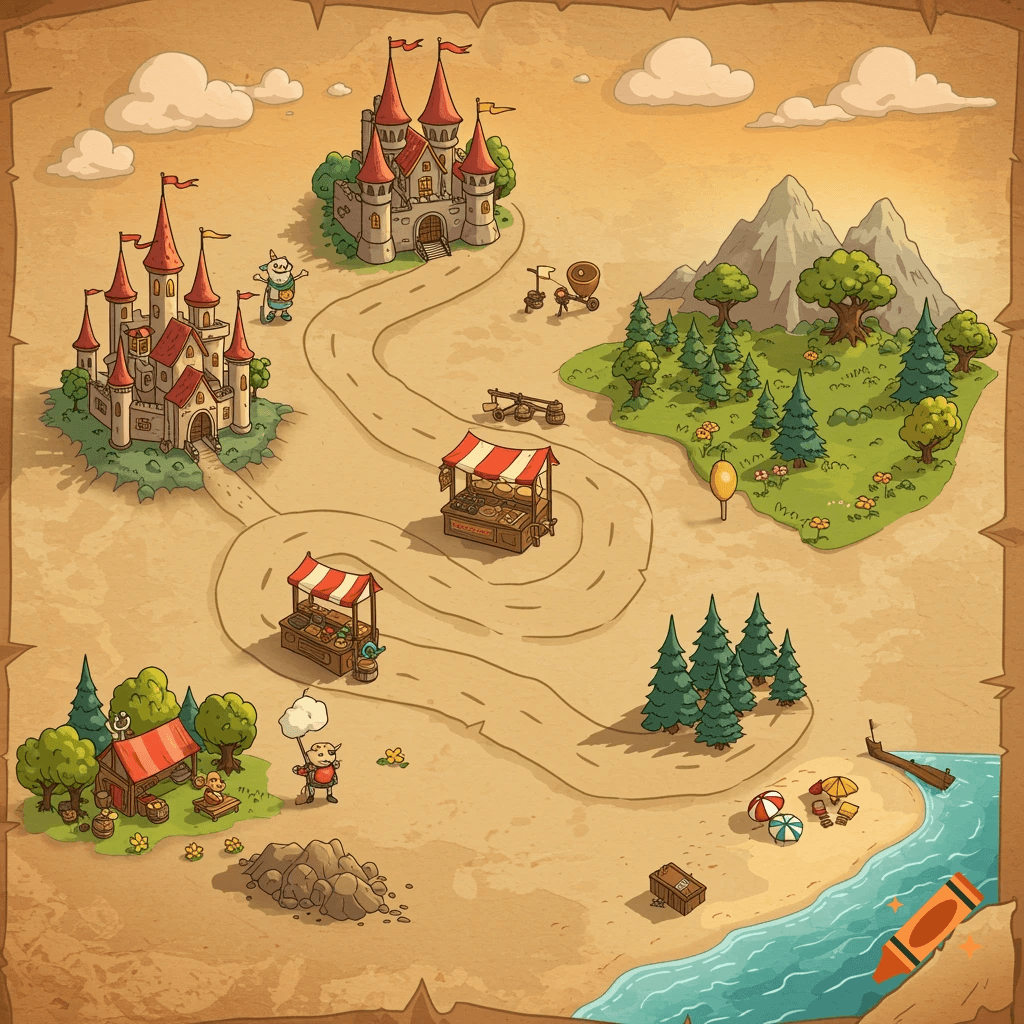
Maru is a fantasy kingdom-sim where the player is a queen or princess ruling a living world that subtly mirrors their real menstrual cycle. Nothing is instructional or clinical. Instead, the world reacts through atmosphere, energy, and rhythm.
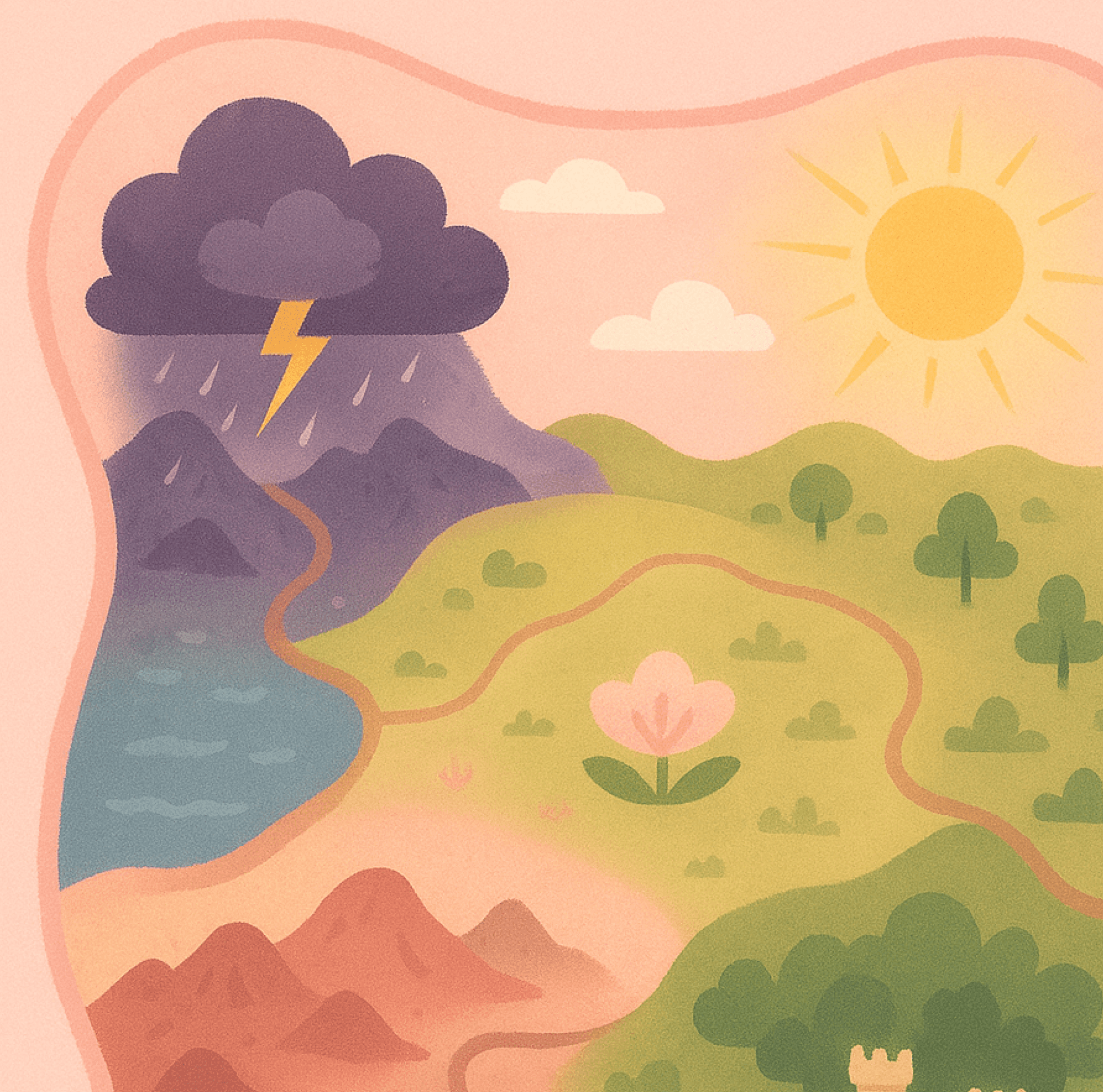
Each morning, a companion asks: “How does the kingdom feel today?”
Choosing the day’s “weather” sets the tone (storms, fog, sunshine, or bloom) depending on how the player feels in real life. Selecting any discomfort, like cramps or fatigue, influences different regions of the map. The tracking is woven into gameplay, not shown as data.
From there, players explore:
training grounds for swordplay and archery
farms and gardens that change with “seasonal” phases
craft houses for pottery, textiles, and metalwork
small quests across villages and borders
Some days the world is easier to navigate; some days it’s slower. The game embraces the natural ebb and flow of real energy.
Where the idea began
Most period apps revolve around tracking —> tap your mood, tap your flow, close the app.
A few months ago, I was designing everything as an app. It made sense: I’m a UX designer. Apps are what I know. But every idea felt like a softer, friendlier version of what already exists. Mood logs, pain trackers, educational modules, donation links. Important, but not transformative. Not the thing I felt inside me. A gentle, playful, serious-when-it-needs-to-be space where people who menstruate can see their body and mind together, not as separate issues. Menstruation as a lens to understand the inseparability of mental and physical health and a starting point to redesign care, culture, and equity around cyclical bodies.
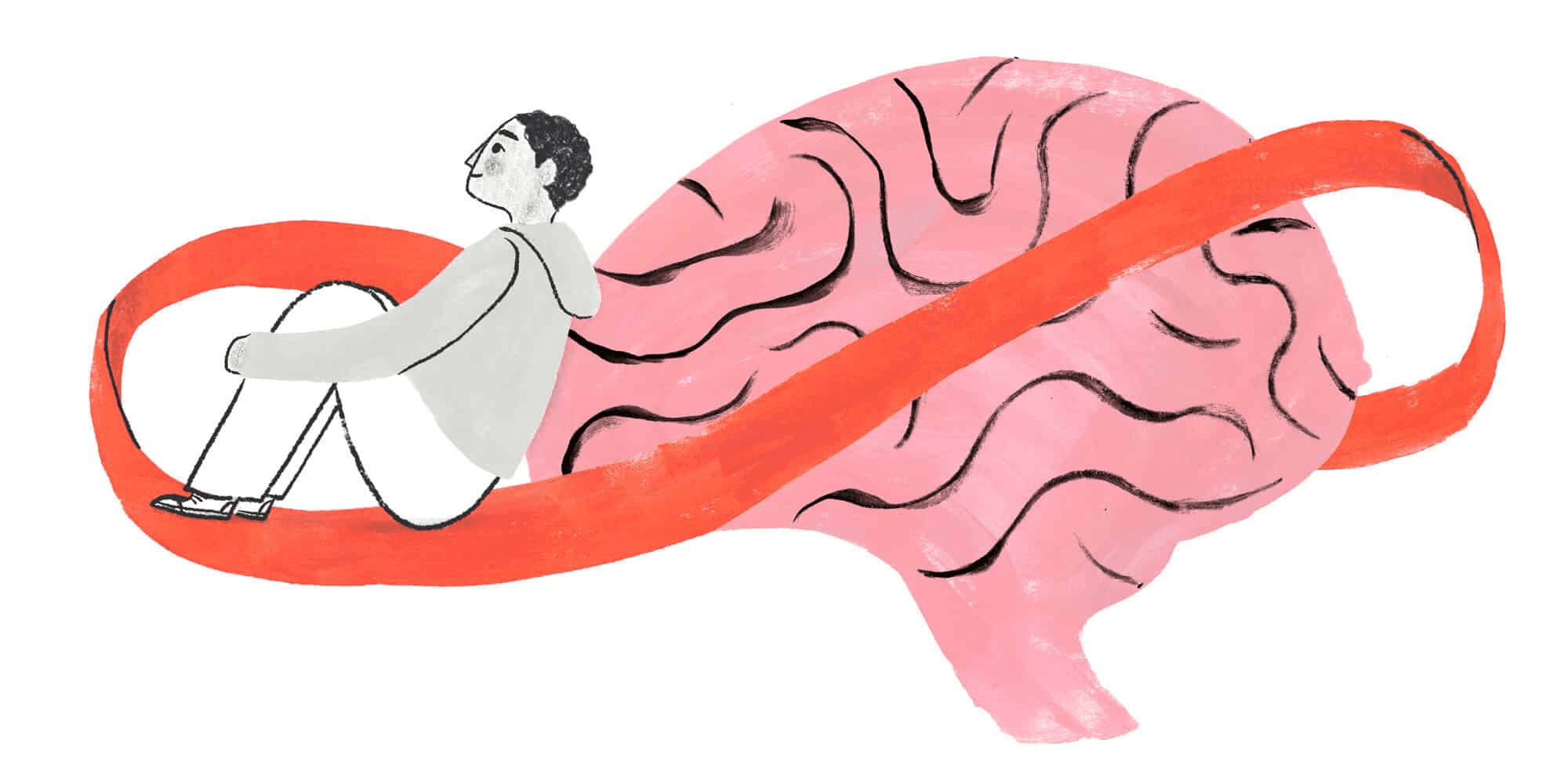
The more I thought about how menstruators move through life — juggling pain, responsibility, creativity, and unpredictability — the more the app metaphor broke. Apps are tidy. Cycles aren’t.
Then one night, while thinking about metaphors, stories, my sisters, friends and childhood, and I thought: It shouldn’t be an app.
It should be a game. And suddenly everything clicked.
I was trying to understand the body, not as a set of symptoms, but as a world with its own weather, seasons, and moods. Menstruators live this world every month, yet the tools we have to track it feel clinical or flat. I wanted something that reflected the lived experience, not reduced it.
Designing for menstruators… and everyone else
Non-menstruators can play too. Partners, friends, curious players exploring the same world with altered mechanics. They won’t simulate cycles, but they’ll experience how the realm shifts when it belongs to someone who does. It reframes menstrual life not as “women’s health” but as a default physiology worth understanding, the way game worlds default to seasons, weather, magic systems, or lore.
The research and social impact layer
Long-term trends across thousands of players could reveal meaningful patterns not medical diagnoses, but collective insight into mood, energy, and pain rhythms. This kind of emotional-pattern data is rarely captured in clinical research, but it’s valuable for understanding lived menstrual reality at scale.
Not “medical facts,” but:
Patterns of lived menstrual experience
Emotional recovery + coping behaviors
Daily rhythms of energy
System burden
how and what support changes outcomes
Flows I planned for future phases also link in-game purchases to real-world menstrual kit donations. Players decorate their kingdoms while supporting people who lack access. Queens supporting queens.
Next steps
I don’t have a studio or a team yet. What I have is the core system, the cycle-to-world mechanics, the narrative foundation, and a clear direction. More importantly, I have a belief that design can make invisible experiences visible, that imagination can open doors where education alone can’t. Maru is still in its early form, but it already feels like a place worth building — a kingdom shaped by nature, lived experience, and care. A world where the menstrual cycle is not hidden, minimized, or ignored, but understood as a force that shapes life.