Indian craft is everywhere: in the folds of a sari, in a steel tumbler scratched by years of use, in terracotta drying outside a home, in a kolam drawn at dawn. It’s in the hands that carve, weave, paint, and repeat — often anonymously, often undervalued, yet shaping our lives quietly and constantly.
This exploration began as a way to understand why some crafts survive, why some disappear, and what is lost when industrialization, standardization, or stereotypes replace them. India reminds me that innovation is driven from history, not erasure. Its diversity — 27 languages, countless crafts, colors, and styles — shows how different systems can coexist beautifully, informing design that honors both individuality and collective tradition. Design and craft can hold the story of how they’re experienced how they were made, and by whom, across a spectrum of voices and forms.
INTRODUCTION
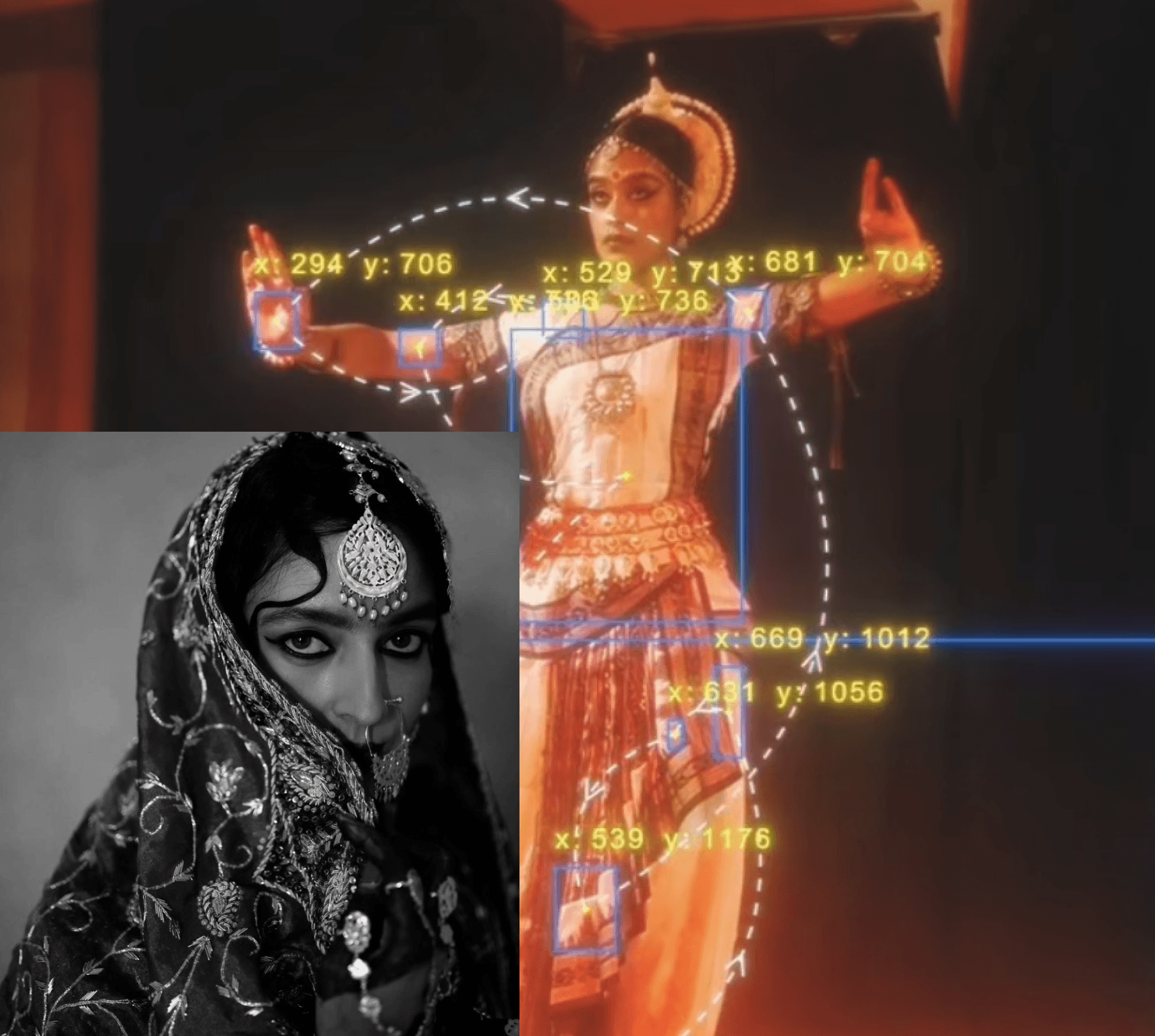
There is beauty and complexity in what we hold in our hands, not just in museums, but in kitchens, courtyards, and streets. Seeing the design that was always there.
Indian craft is not just decorative — it’s a system. Every object reflects decisions, constraints, materials, histories, climate, and care. Its diversity demonstrates how multiple approaches, aesthetics, and philosophies can coexist and inform one another. What makes certain forms resilient enough to remain unchanged for centuries?
Craft survives because of the people who practice it, but makers are often invisible in the products the world consumes. I want to explore how design — especially digital design — might surface the hands behind objects rather than erasing them, while embracing the diversity of voices and traditions that shape each piece.
This project shaped my curiosity about how design can honor histories rather than simplify them. It pushed me to think about systems, credit, cultural context, and diversity — and how digital products might better hold the stories of the people who shape them.
India is complex — noisy, precise, intuitive, scarred, and endlessly layered. Its diversity teaches that beauty is not always obvious, and value is not always visible. This exploration was my way of learning, unlearning, and carrying pieces of home into the world.
Craft woven into everyday life (with diversity)
Craft as a design system
Makers, Credit, and Invisibility
What this means for my design practice
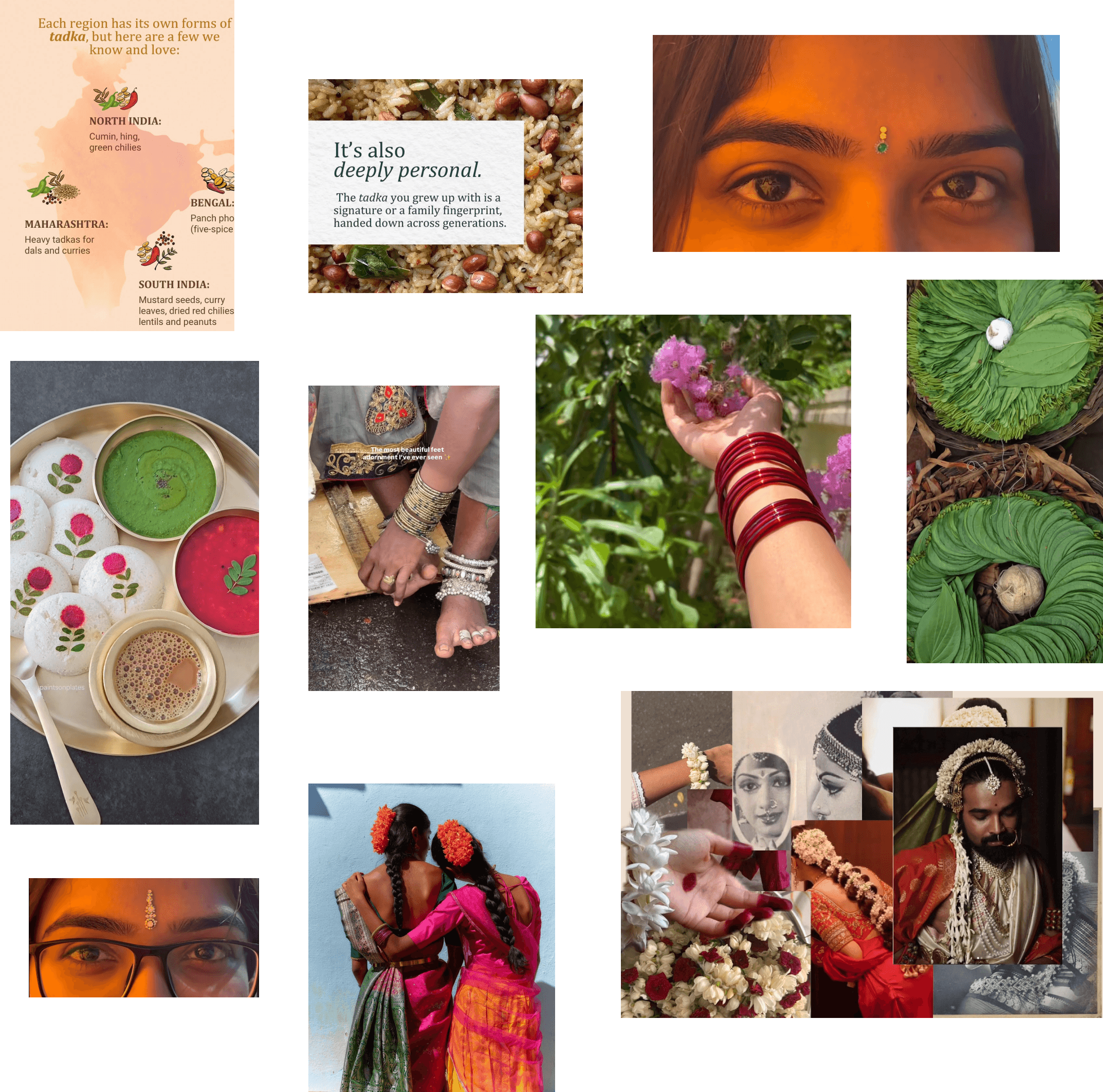
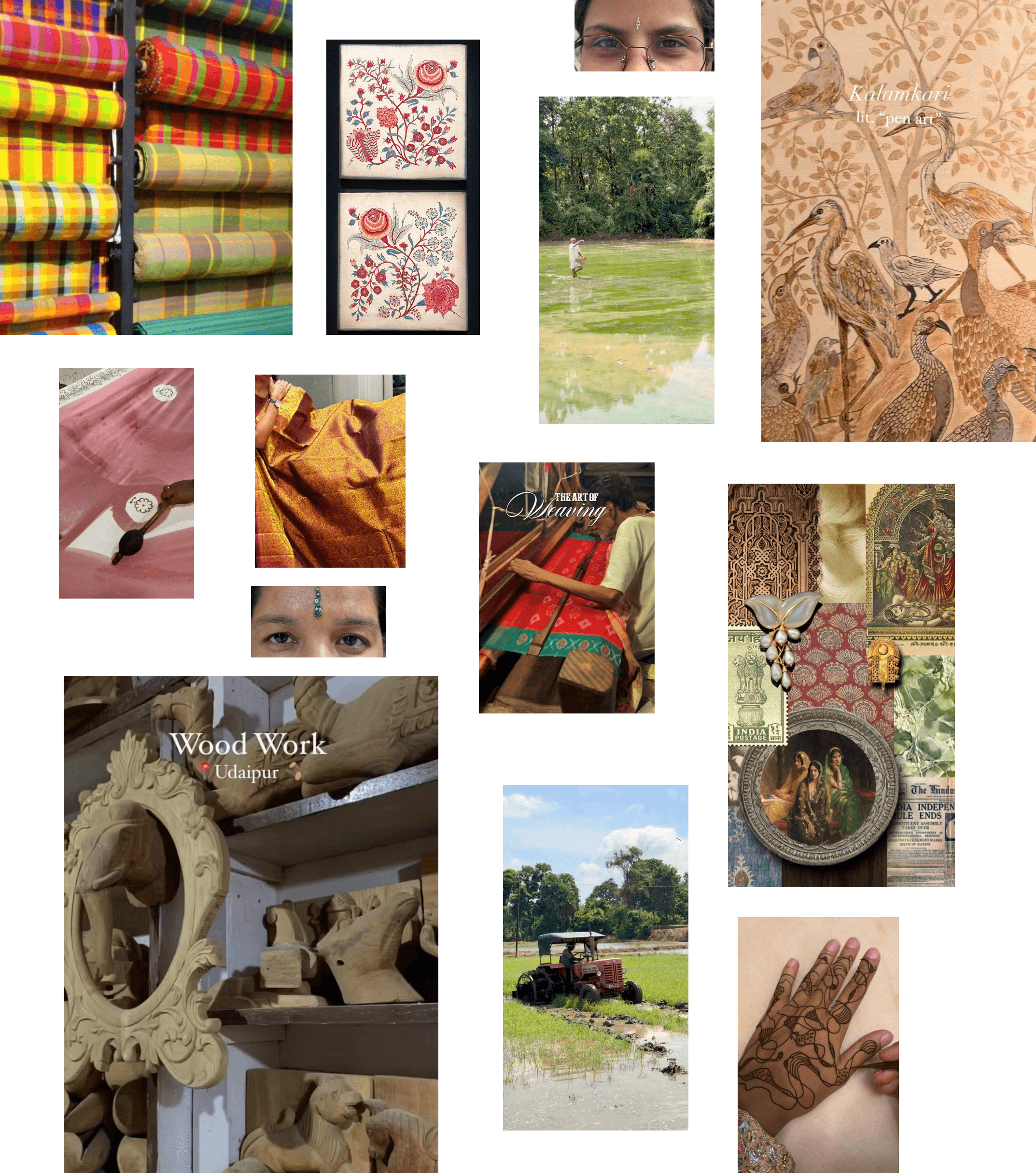
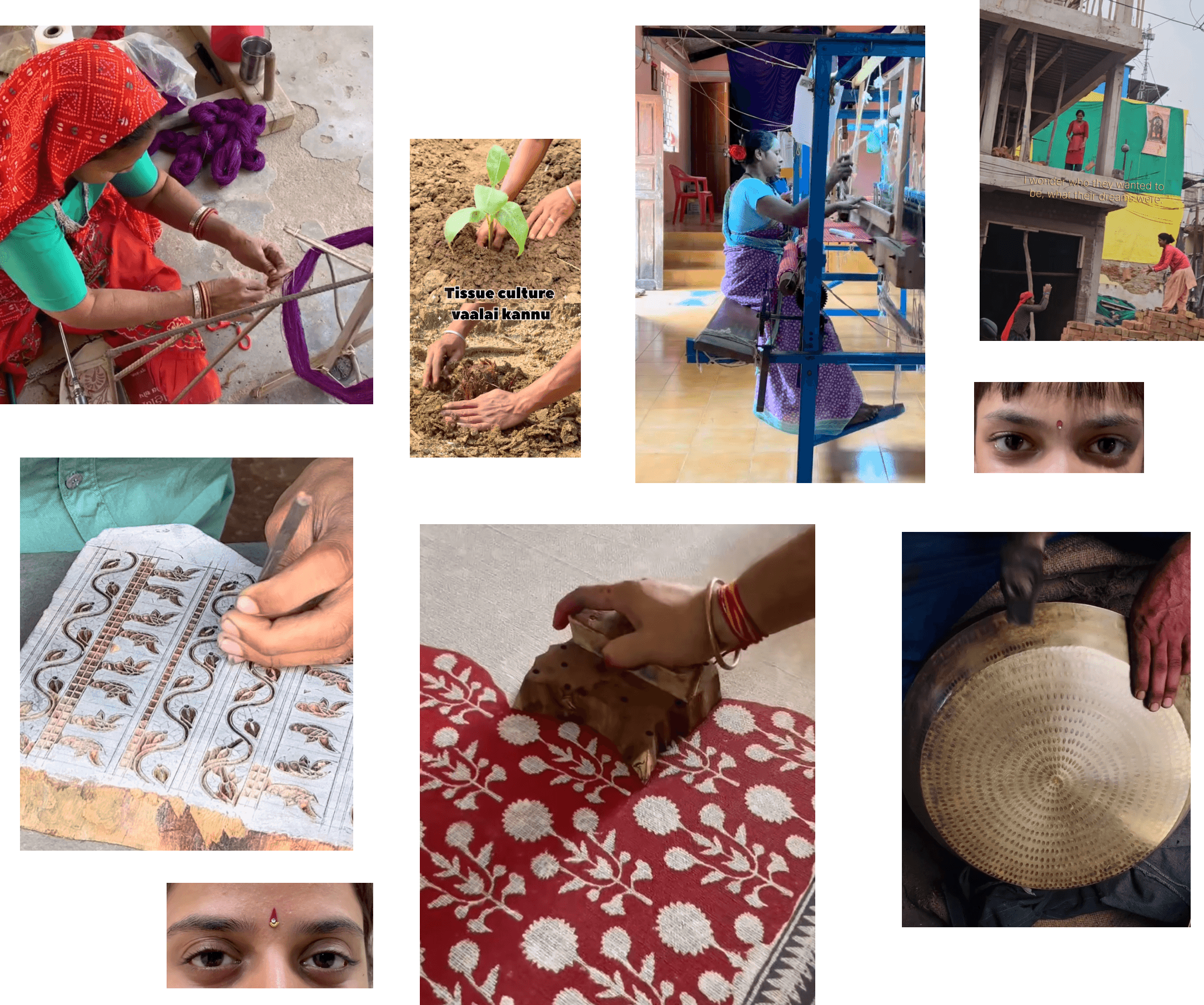
*Images sourced from Indian makers, artists, and documentarians whose work I follow and used here as part of a non-commercial visual research study.
*Images sourced from Indian makers, artists, and documentarians whose work I follow and used here as part of a non-commercial visual research study.